
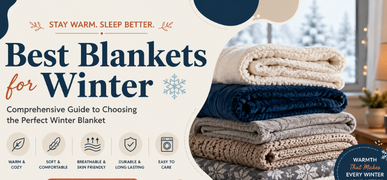
When temperatures drop, choosing the best blankets for winter becomes an important part of creating a warm and comfortable bedroom. The right winter blanket can help us stay cozy during cold nights, improve the overall comfort of our bed, and complement the décor of our bedroom. With so many materials, thicknesses, sizes, and designs available, finding the ideal blanket requires us to consider more than just how warm it feels in a store.
A good winter blanket should provide the right balance of warmth, breathability, softness, weight, durability, and easy maintenance. Some of us prefer the lightweight warmth of fleece, while others enjoy the natural insulation of wool or the luxurious feel of plush blankets. In warmer winter climates, a breathable cotton blanket may be sufficient, whereas colder regions may require a thick comforter, quilt, or layered bedding system.
We can also choose our winter blanket based on our sleeping preferences. Those who tend to feel cold at night may appreciate a heavier, insulating blanket. Those who sleep warm may prefer a breathable material that provides warmth without trapping excessive heat. Understanding these differences helps us choose a blanket that supports comfortable sleep throughout the winter season.
This comprehensive guide explores the best blankets for winter, popular materials, important features, different blanket types, sizing considerations, care instructions, and practical tips for selecting the right option for our home.
What Makes the Best Blanket for Winter?
The best winter blanket is not necessarily the thickest or heaviest blanket available. The ideal choice depends on the temperature of our bedroom, our personal comfort preferences, and the type of insulation we need.
Several factors determine whether a blanket is suitable for winter:
- Warmth and insulation: The blanket should retain enough body heat to keep us comfortable.
- Breathability: Good airflow helps prevent excessive heat and moisture buildup.
- Material: Wool, fleece, microfiber, cotton, down, and synthetic fills offer different levels of warmth.
- Weight: Some people enjoy the comforting sensation of a heavier blanket, while others prefer lightweight bedding.
- Softness: The fabric should feel comfortable against the skin.
- Size: The blanket should provide adequate coverage for the mattress and sleepers.
- Durability: High-quality construction helps the blanket remain useful over multiple winters.
- Maintenance: Easy washing and drying can make regular care much simpler.
- Style: Color, pattern, and texture should complement the bedroom décor.
By considering these characteristics together, we can select a winter blanket that delivers warmth without sacrificing everyday comfort.
Best Types of Blankets for Winter
Different blanket types are designed to provide different levels of warmth and comfort. Understanding the differences allows us to select the right option for our sleeping environment.
| Blanket Type | Warmth | Best For | Key Benefit |
|---|---|---|---|
| Wool Blanket | High | Cold winter nights | Excellent natural insulation |
| Fleece Blanket | Medium to High | Everyday winter use | Lightweight and warm |
| Sherpa Blanket | High | Very cold nights | Plush and exceptionally cozy |
| Microfiber Blanket | Medium to High | Budget-friendly warmth | Soft and easy to maintain |
| Down Blanket | Very High | Cold climates | Excellent warmth-to-weight ratio |
| Cotton Blanket | Light to Medium | Mild winters | Breathable and versatile |
| Electric Blanket | Adjustable | Very cold bedrooms | Customizable warmth |
| Quilted Blanket | Medium to High | Layered bedding | Structured warmth |
| Weighted Blanket | Varies | Those who prefer heavier bedding | Added comforting weight |
| Thermal Blanket | Medium | Layering | Lightweight insulation |
1. Wool Blankets: A Natural Choice for Winter Warmth
A wool blanket is one of the most effective traditional choices for winter. Wool fibers naturally help regulate temperature by trapping insulating air while allowing some moisture vapor to escape.
This makes wool particularly useful for cold nights when we want warmth without necessarily relying on a very heavy blanket. Wool is available in different varieties and weights, allowing us to choose between lightweight and substantial options.
One of the key advantages of wool is its natural insulation. A quality wool blanket can provide considerable warmth while remaining relatively breathable. This can make it suitable for people who want natural materials in their bedding.
Wool blankets may require more careful maintenance than some synthetic alternatives. Depending on the construction and manufacturer's instructions, we may need to avoid aggressive washing and use gentle cleaning methods.
Best for: Cold climates, natural-material enthusiasts, and sleepers looking for durable winter insulation.
2. Fleece Blankets: Lightweight Warmth for Everyday Winter Use
Fleece blankets are popular because they combine warmth with relatively low weight. Made from synthetic fibers, fleece creates a soft, insulating surface that can help retain body heat.
A fleece blanket is particularly useful when we want an affordable winter layer that is easy to fold, store, and wash. It can be placed directly over a sheet or used as an additional layer underneath a heavier comforter.
Fleece is also available in a wide variety of colors and patterns. This makes it easy to coordinate our winter bedding with the rest of the bedroom.
The main consideration is breathability. Some fleece blankets can feel warmer than expected, particularly in heated bedrooms. Choosing an appropriate thickness can help us find a better balance between warmth and comfort.
Best for: Everyday winter use, guest rooms, children's bedrooms, and affordable layering.
3. Sherpa Blankets: Plush Comfort for Cold Nights
For those of us who enjoy an exceptionally soft and cozy texture, Sherpa blankets can be an excellent winter choice. These blankets typically feature a fluffy, fleece-like texture designed to create a warm and comfortable sleeping environment.
Sherpa blankets are especially appealing during colder weather because their plush construction provides a strong sense of insulation. They are also popular for lounging on sofas while reading, watching television, or relaxing during winter evenings.
Because of their thick texture, Sherpa blankets can sometimes take longer to dry after washing. We should always follow the care instructions provided by the manufacturer to preserve the softness and appearance of the fabric.
Best for: Cold nights, cozy lounging, and people who prefer plush bedding.
4. Microfiber Blankets: Soft, Practical, and Affordable
Microfiber blankets are another popular choice for winter bedding. The tightly woven synthetic fibers create a soft surface while providing useful insulation.
One of the major advantages of microfiber is its practicality. Many microfiber blankets are lightweight, machine washable, and relatively quick to dry. They are also commonly available at accessible prices.
Microfiber can be a good choice for households that need several winter blankets for different bedrooms. We can also use microfiber blankets as an extra layer when temperatures fall unexpectedly.
When choosing one, we should pay attention to fabric quality and construction. A well-made blanket with strong stitching is more likely to maintain its appearance and performance after repeated washing.
Best for: Families, budget-conscious shoppers, guest bedrooms, and easy-care bedding.
5. Down Blankets: Lightweight Luxury and Excellent Insulation
Down blankets are known for their impressive warmth-to-weight ratio. Natural down clusters can trap air efficiently, creating insulation without requiring the blanket to be excessively heavy.
For those of us who live in genuinely cold climates, a high-quality down blanket can provide exceptional winter warmth. The fill power and fill amount are important considerations because they influence loft, insulation, and overall performance.
However, down bedding requires careful consideration of allergies, ethical sourcing, and maintenance. Some people may prefer synthetic alternatives that mimic the insulating characteristics of down.
Best for: Cold climates, premium bedding, and those seeking high warmth with relatively low weight.
6. Cotton Blankets for Mild Winter Weather
Although cotton is not usually associated with the coldest winter conditions, a thick cotton blanket can be an excellent option for mild winters.
Cotton is naturally breathable and comfortable, making it useful for people who tend to sleep warm. It can also work effectively as part of a layered bedding system.
For example, we might use a cotton blanket over a sheet and add a heavier blanket when temperatures become colder. This approach gives us more flexibility than relying on one extremely thick blanket throughout the season.
Best for: Mild winters, warm sleepers, and breathable layered bedding.
7. Electric Blankets for Adjustable Winter Warmth
An electric blanket uses integrated heating elements to provide adjustable warmth. These blankets can be useful in particularly cold environments where ordinary bedding does not provide sufficient comfort.
Electric blankets should always be used according to the manufacturer's safety instructions. We should inspect the blanket and power cord for signs of damage, avoid folding or bunching it while operating, and follow recommended cleaning procedures.
For households considering this option, safety certifications, automatic shutoff features, temperature controls, and reliable construction should be important selection criteria.
Best for: Very cold bedrooms and people who want adjustable warmth.
8. Quilted Blankets for Layered Winter Bedding
A quilted blanket contains layers of fabric and filling stitched together. The quilting helps keep the filling distributed evenly while creating a structured appearance.
Quilted blankets can provide a useful combination of warmth and visual appeal. Depending on the fill material and thickness, they can range from lightweight to highly insulating.
They also work well as decorative layers. We can place a quilt at the foot of the bed during the day and pull it over the bed at night when additional warmth is needed.
Best for: Layered bedding, decorative bedrooms, and versatile winter use.
How to Choose the Best Winter Blanket
Choosing the right blanket becomes easier when we evaluate our specific needs rather than focusing only on appearance.
Consider the Winter Temperature
The climate where we live has a major influence on the ideal blanket.
For mild winters, a cotton or lightweight fleece blanket may be enough.
For moderately cold winters, microfiber, fleece, wool, or quilted blankets can provide additional insulation.
For very cold winters, we may prefer wool, down, Sherpa, or a thick comforter combined with additional layers.
We should also consider indoor heating. A well-heated bedroom may not require the same blanket as an unheated room.
Think About Our Sleeping Temperature
Some people naturally feel cold at night, while others tend to become warm quickly.
If we frequently feel cold, we may benefit from:
- Wool blankets
- Thick fleece
- Sherpa blankets
- Down-filled bedding
- Layered winter bedding
If we tend to sleep warm, we may prefer:
- Cotton
- Lightweight wool
- Breathable quilts
- Thin fleece
- Layered blankets that can be easily removed
The goal is to create a comfortable sleeping environment rather than simply choosing the heaviest blanket available.
Choose the Right Blanket Size
A blanket should be large enough to provide comfortable coverage without constantly slipping off the bed.
Common bed sizes include:
- Twin or single
- Full or double
- Queen
- King
- California king in some markets
Before buying, we should check the exact dimensions of the blanket rather than relying only on the listed size. Different manufacturers may use slightly different measurements.
For shared beds, selecting a blanket with sufficient width can help prevent nighttime tug-of-war over the covers.
Check the Material and Fill
The material affects warmth, breathability, softness, maintenance, and durability.
Natural materials such as wool and cotton are often appreciated for their breathability and traditional feel.
Synthetic materials such as fleece and microfiber are often valued for affordability, easy care, and consistent performance.
Down provides excellent insulation with relatively low weight, while synthetic fills can offer a practical alternative for people who prefer non-animal materials.
Best Winter Blanket Materials Compared
| Material | Warmth | Breathability | Weight | Maintenance |
|---|---|---|---|---|
| Wool | High | High | Medium | Moderate |
| Cotton | Low to Medium | High | Medium | Easy |
| Fleece | Medium to High | Moderate | Light | Easy |
| Microfiber | Medium to High | Moderate | Light | Easy |
| Sherpa | High | Low to Moderate | Medium | Moderate |
| Down | Very High | High | Light | Moderate to Difficult |
| Synthetic Down Alternative | High | Moderate | Light | Easy to Moderate |
Warmest Blankets for Extremely Cold Winters
When temperatures fall significantly, we may need more than a standard blanket. The warmest bedding options typically include high-quality wool blankets, thick down comforters, down alternatives, and heavy Sherpa blankets.
However, layering can often be more practical than purchasing one extremely heavy blanket.
A useful winter layering system may include:
- A breathable sheet.
- A lightweight cotton or thermal blanket.
- A medium-weight fleece or wool blanket.
- A thick comforter or duvet.
- An additional throw blanket for particularly cold nights.
Layering allows us to adjust our bedding as the temperature changes.
Best Blankets for Winter in Mild Climates
In warmer regions, winter may bring cooler nights without extremely low temperatures. In such climates, a heavy winter blanket can cause overheating.
A lightweight fleece, cotton blanket, microfiber blanket, or thin quilt may be more appropriate.
The advantage of choosing a lighter blanket is flexibility. We can add a second layer on particularly cold nights and remove it when the temperature rises.
Breathability becomes especially important in mild climates. Materials that allow moisture and heat to escape can contribute to a more comfortable sleeping environment.
Best Blanket for Winter and Summer Use
If we want one blanket that can work throughout the year, versatility should be a priority.
A medium-weight cotton blanket is often a practical choice for homes with moderate seasonal changes. A lightweight wool blanket can also provide useful temperature regulation.
Alternatively, we can create a flexible bedding system using two lighter blankets rather than one heavy winter blanket. This approach allows us to adjust warmth according to the season.
How to Layer Blankets for Winter
Layering is one of the simplest ways to customize winter warmth.
We can start with a comfortable sheet, followed by a breathable blanket. We can then add a thicker insulating layer and finish with a decorative throw.
The order can be adjusted depending on the materials. For example, a lightweight thermal layer may sit closer to the body, while a thick comforter provides insulation on top.
The advantage of layering is adaptability. If the room becomes warmer overnight, we can remove one layer without changing the entire bedding arrangement.
How to Wash and Care for Winter Blankets
Proper care can significantly extend the life of a winter blanket.
Read the Care Label
The manufacturer's care instructions should always be our first reference. Different materials require different washing methods.
Avoid Overloading the Washing Machine
Large blankets need enough space to move freely during washing. Overloading the machine can result in inadequate cleaning and may place unnecessary stress on the appliance.
Use the Appropriate Detergent
A mild detergent is often suitable for many blankets, but specialty materials such as wool and down may require specific cleaning products.Dry Thoroughly
A blanket should be completely dry before storage. Residual moisture can lead to unpleasant odors and may encourage mold or mildew.
Store in a Dry Place
When winter ends, we should clean and thoroughly dry our blankets before storing them. Breathable storage bags can help protect bedding from dust while allowing some airflow.
How to Keep Winter Blankets Soft
To maintain softness, we should follow the recommended washing temperature and avoid excessive detergent.
Fabric softeners may not be appropriate for every material. In some cases, they can affect the texture or performance of specialized fabrics.
Drying methods also matter. Excessive heat may damage certain synthetic fibers or natural materials. We should always follow the manufacturer's instructions.
Regular washing, proper drying, and careful storage can help maintain the original feel of the blanket for longer.
Winter Blanket Buying Checklist
Before purchasing a new winter blanket, we can use the following checklist:
- Measure the bed before choosing a size.
- Consider the local winter climate.
- Think about whether we sleep hot or cold.
- Choose a suitable material.
- Check the blanket's weight and thickness.
- Look for durable stitching and construction.
- Review washing and drying instructions.
- Consider allergies and sensitivities.
- Check whether the blanket is intended for layering.
- Choose a design that complements the bedroom.
- Consider storage requirements.
- Compare long-term durability rather than focusing only on initial cost.
Blanket vs Comforter vs Duvet: What's the Difference?
These terms are often used interchangeably, but they can refer to different bedding products.
A blanket is usually a single layer of woven, knitted, or fleece material. It can be used alone or layered with other bedding.
A comforter is generally thicker and contains insulating filling enclosed within fabric.
A duvet is typically a filled bedding insert designed to be used with a removable duvet cover.
For winter, blankets are especially useful for layering, while comforters and duvets may provide more substantial insulation as the main top layer.
How Much Should We Spend on a Winter Blanket?
The ideal budget depends on our needs, material preferences, and expected lifespan.
Budget-friendly fleece and microfiber blankets can provide useful warmth without a large investment. Premium wool, high-quality down, and luxury bedding may cost more but can offer greater durability and specialized performance.
Rather than focusing solely on price, we should consider:
- Material quality
- Construction
- Expected lifespan
- Ease of maintenance
- Warmth level
- Comfort
- Seasonal versatility
A blanket that remains comfortable and functional for many winters can offer better long-term value than an inexpensive blanket that needs frequent replacement.
Common Mistakes When Buying Winter Blankets
Choosing the Thickest Blanket Automatically
A very thick blanket is not always the best choice. Excessive warmth can cause discomfort, especially in heated bedrooms.
Ignoring Breathability
Warmth and breathability should work together. A blanket that traps too much heat may feel uncomfortable.
Buying the Wrong Size
A blanket that is too small may leave parts of the bed uncovered or slip away during sleep.
Ignoring Care Requirements
Some blankets require specialized cleaning. We should consider whether we are comfortable maintaining the material before purchasing.
Choosing Only Based on Appearance
A beautiful blanket may not provide the warmth or comfort we need. Function should come first, with style serving as the finishing touch.
Best Winter Blanket for Different Needs
| Our Need | Recommended Blanket |
|---|---|
| Very cold nights | Wool, down, or thick Sherpa |
| Mild winter | Cotton or lightweight fleece |
| Budget-friendly warmth | Microfiber or fleece |
| Natural material | Wool or cotton |
| Lightweight insulation | Fleece or down |
| Plush comfort | Sherpa |
| Easy maintenance | Microfiber or fleece |
| Adjustable warmth | Electric blanket |
| Layered bedding | Cotton, quilt, or lightweight wool |
| Premium winter bedding | High-quality down or wool |
Final Thoughts on Choosing the Best Blankets for Winter
Finding the best blanket for winter is ultimately about matching the blanket to our climate, sleeping habits, bedroom temperature, and personal comfort preferences. There is no single blanket that works perfectly for every household.
For natural insulation, wool remains a strong choice. For lightweight everyday warmth, fleece and microfiber are practical options. For plush comfort, Sherpa blankets create a particularly cozy sleeping environment. For premium insulation, down offers an excellent warmth-to-weight ratio, while cotton works well in mild climates and layered bedding systems.
We should also remember that the best winter bedding setup may involve multiple layers rather than one extremely thick blanket. A flexible combination of breathable sheets, medium-weight blankets, and a warmer top layer allows us to adjust our bedding as temperatures change.
By considering material, warmth, breathability, size, weight, maintenance, durability, and sleeping preferences, we can choose a winter blanket that keeps us comfortable throughout the colder months while fitting naturally into our bedroom décor.
FAQS
The best blanket depends on our climate and sleeping preferences. Wool, down, fleece, Sherpa, and thick microfiber blankets are all popular choices for winter. For very cold conditions, we may prefer a highly insulating material such as wool or down.
2. Which blanket is warmest for winter?
Thick wool blankets, high-quality down bedding, and heavily insulated comforters are among the warmest options. A thick Sherpa blanket can also provide substantial warmth and a plush feel.
3. Is wool good for winter blankets?
Yes. Wool is an excellent natural insulating material. It can retain warmth while allowing some breathability, making it a popular choice for cold-weather bedding.
4. Are fleece blankets good for winter?
Yes. Fleece blankets provide lightweight warmth and are generally easy to wash and store. They are particularly useful for everyday winter use and layering.
5. Are microfiber blankets warm enough for winter?
Many microfiber blankets provide moderate to high warmth, depending on their thickness and construction. They can be suitable for mild to moderately cold winter conditions.
6. Is cotton suitable for winter?
Cotton can be suitable for mild winters or as part of a layered bedding system. A thick cotton blanket can provide more warmth than a lightweight cotton sheet.
7. What is better for winter, fleece or wool?
Wool generally provides stronger natural insulation and breathability, while fleece is often lighter, easier to maintain, and more affordable. The better choice depends on our priorities.
8. Are Sherpa blankets warm?
Yes. Sherpa blankets are designed with a thick, plush texture that can provide considerable warmth and comfort during cold weather.
9. What is the best lightweight warm blanket?
Fleece and down are excellent options when we want warmth without excessive weight. Down is particularly known for its high warmth-to-weight ratio.
10. What blanket is best for extremely cold weather?
For extremely cold weather, we can consider a high-quality wool blanket, down comforter, or thick insulated bedding. Layering multiple blankets can provide additional flexibility.
11. How many blankets should we use in winter?
There is no fixed number. We can use one suitable blanket or layer several lighter blankets depending on the room temperature and our comfort preferences.
12. Is a weighted blanket good for winter?
A weighted blanket can be used in winter, but its primary purpose is its added weight rather than insulation. We should choose one that provides an appropriate level of warmth for our sleeping environment.
13. How do we choose the right blanket size?
We should measure the mattress and compare those measurements with the blanket dimensions. For shared beds, extra width can provide better coverage.
14. What is the softest winter blanket?
Sherpa, plush fleece, and high-quality microfiber blankets are commonly chosen for their soft textures. The softness depends on the specific fabric and construction.
15. What is the best winter blanket for people who sleep hot?
People who sleep hot may prefer breathable cotton, lightweight wool, or thinner blankets. Layering can also help us adjust warmth throughout the night.
16. What is the best winter blanket for people who feel cold?
Those who frequently feel cold may prefer wool, thick fleece, Sherpa, down, or a well-insulated comforter.
17. Can we use two blankets instead of one thick blanket?
Yes. Layering two lighter blankets can provide flexible warmth and allows us to remove one layer when temperatures rise.
18. How often should we wash winter blankets?
The ideal frequency depends on the blanket material and how it is used. We should follow the manufacturer's care instructions and wash blankets regularly enough to maintain cleanliness.
19. Can winter blankets go in a washing machine?
Many fleece and microfiber blankets are machine washable. Wool, down, and specialty blankets may require different cleaning methods, so we should always check the care label.
20. How should we store winter blankets during summer?
We should wash and completely dry blankets before storing them in a cool, dry location. Breathable storage containers can help protect them from dust while reducing the risk of trapped moisture.
21. What is the best blanket material for warmth?
Wool, down, and thick synthetic insulation are among the most effective materials for winter warmth. The ideal material depends on our desired weight and breathability.
22. Are electric blankets safe for winter?
Electric blankets can be used safely when operated according to the manufacturer's instructions. We should inspect them regularly and use built-in safety features as recommended.
23. Is a thick blanket always warmer?
Not necessarily. Warmth depends on the insulation, material, construction, and ability to trap air. A well-designed lightweight blanket can sometimes provide substantial warmth.
24. Should we choose natural or synthetic winter blankets?
Natural materials such as wool and cotton appeal to those who prefer traditional fibers, while synthetic options such as fleece and microfiber are often affordable and easy to maintain. Both categories offer useful winter choices.
25. What should we look for when buying the best winter blanket?
We should consider warmth, material, breathability, size, weight, softness, durability, care requirements, and bedroom temperature. Choosing based on our personal sleeping preferences will usually lead to greater comfort.