
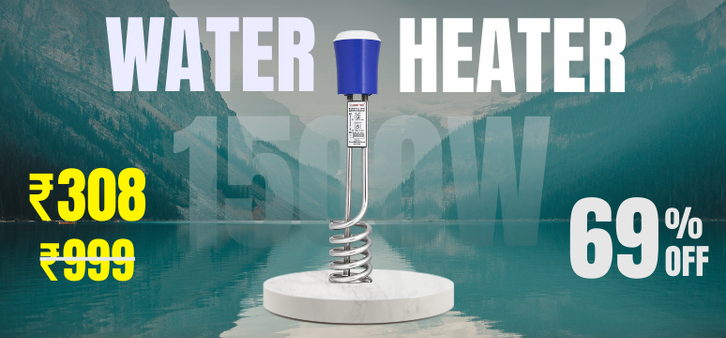
Best Water Heaters for Winter
Winter demands one thing every household cannot compromise on—consistent, safe, and energy-efficient hot water. From early-morning showers to dishwashing and cleaning, a dependable water heater becomes the backbone of daily comfort. Choosing the best water heater for winter is not about brand names alone; it is about capacity, heating technology, insulation, safety systems, energy efficiency, and long-term reliability.
This comprehensive guide is designed to help households make an informed, confident decision. We cover types of water heaters, capacity selection, key technologies, energy efficiency, safety standards, installation considerations, and maintenance tips, followed by comparison tables, bullet-point checklists, and 25 detailed FAQs—all structured for clarity, depth, and practical value.
Why Choosing the Right Water Heater Matters in Winter
Cold temperatures increase water inlet chill, forcing heaters to work harder and longer. An underpowered or inefficient unit can lead to:
-
Inconsistent water temperature
-
Long heating times
-
Higher electricity or gas bills
-
Reduced appliance lifespan
-
Safety risks due to overheating or pressure buildup
The right winter-ready water heater ensures fast recovery, stable temperatures, optimal insulation, and robust safety mechanisms, even during peak usage.
Types of Water Heaters Suitable for Winter
Storage Water Heaters
Storage heaters maintain a reservoir of hot water, making them ideal for families with predictable usage patterns.
Advantages
-
Steady hot water supply
-
Better performance in extremely cold climates
-
Works well with low water pressure
Considerations
-
Requires proper insulation to minimize heat loss
-
Occupies more space
Instant (Tankless) Water Heaters
Instant heaters heat water on demand, offering energy savings and unlimited supply—if correctly sized.
Advantages
-
No standby heat loss
-
Compact and space-saving
-
Unlimited hot water
Considerations
-
Higher power requirement
-
Performance may drop in very cold inlet temperatures
Gas Water Heaters
Gas heaters are suitable for homes with pipeline gas or LPG access.
Advantages
-
Faster heating
-
Lower operating cost compared to electricity
-
Reliable for large households
Considerations
-
Requires ventilation
-
Higher installation complexity
Heat Pump Water Heaters
These units extract heat from ambient air to warm water.
Advantages
-
Extremely energy-efficient
-
Ideal for eco-conscious households
Considerations
-
Higher upfront cost
-
Requires adequate ventilation space
How to Choose the Right Capacity for Winter Use
Selecting the correct capacity prevents shortages and energy waste.
| Household Size | Recommended Capacity |
|---|---|
| 1 Person | 10–15 Liters |
| 2 People | 15–25 Liters |
| 3–4 People | 25–35 Liters |
| 5+ People | 50 Liters or more |
Pro Tip: In winter, always size up slightly to compensate for colder inlet water.
Key Technologies That Matter in Cold Weather
High-Density PUF Insulation
-
Reduces heat loss
-
Keeps water hot longer
-
Lowers energy consumption
Powerful Heating Elements
-
Faster heating times
-
Stable performance in low temperatures
Glass-Lined or Stainless-Steel Tanks
-
Prevent corrosion
-
Extend lifespan
-
Maintain water hygiene
Energy Efficiency: Saving Power Without Compromising Comfort
Energy efficiency is critical during winter when heaters run longer.
-
Higher star ratings translate into lower monthly bills
-
Thermostatic controls prevent overheating
-
Smart timers reduce unnecessary usage
An efficient water heater pays for itself over time through consistent energy savings.
Safety Features You Should Never Ignore
A winter water heater must prioritize safety due to prolonged usage.
Essential Safety Features
-
Thermal cut-out to prevent overheating
-
Pressure relief valve for tank protection
-
Earth leakage circuit breaker (ELCB)
-
Anti-scald protection
These features ensure peace of mind for every family member.
Installation Considerations for Winter Performance
Correct installation is as important as product quality.
-
Install near usage points to reduce heat loss
-
Ensure proper wall strength for storage heaters
-
Maintain adequate ventilation for gas models
-
Use professional installation to preserve warranty
Maintenance Tips for Reliable Winter Performance
Regular maintenance enhances efficiency and lifespan.
-
Flush tank annually to remove sediment
-
Inspect heating elements before winter
-
Check safety valves periodically
-
Descale instant heaters if hard water is present
Instant vs Storage Water Heaters: Winter Comparison
| Feature | Instant Heater | Storage Heater |
|---|---|---|
| Winter Performance | Moderate | Excellent |
| Energy Efficiency | High | Moderate |
| Initial Cost | Low–Medium | Medium |
| Hot Water Availability | Unlimited | Limited by tank |
| Best For | Small families | Medium–Large homes |
Best Water Heater Features Checklist (Winter Edition)
-
High wattage or fast heating capability
-
Thick insulation layer
-
Reliable temperature control
-
Certified safety systems
-
Corrosion-resistant tank
-
Service support availability
Table: Ideal Water Heater Selection by Usage
| Usage Area | Recommended Type | Capacity |
|---|---|---|
| Bathroom | Storage Heater | 25–35 L |
| Kitchen | Instant Heater | 3–6 L |
| Utility Area | Gas Heater | 6–10 L/min |
| Whole House | Heat Pump / Large Storage | 80–150 L |
Environmental Impact and Sustainability
Modern water heaters are designed to reduce carbon footprint:
-
Lower electricity consumption
-
Improved insulation reduces energy waste
-
Heat pump models cut emissions significantly
Choosing an efficient heater contributes to both cost savings and environmental responsibility.
Buying Tips for First-Time Buyers
-
Prioritize capacity and insulation over brand hype
-
Verify service network availability
-
Compare energy ratings carefully
-
Consider future family size changes
Long-Term Cost Analysis
Initial price is only part of the equation.
-
Energy-efficient models save significantly over 5–10 years
-
Durable tanks reduce replacement costs
-
Smart controls minimize wastage
A slightly higher upfront investment often delivers substantial long-term returns.
Conclusion
The best water heater for winter is one that delivers reliable hot water, optimal energy efficiency, strong safety mechanisms, and long-term durability. By selecting the right type, capacity, and technology, households can enjoy uninterrupted comfort even during the coldest months—without excessive energy bills or maintenance hassles.
FAQs
-
Which water heater is best for cold climates?
Storage and gas water heaters perform best in extreme cold. -
Is instant water heater suitable for winter?
Yes, if correctly sized and used for limited outlets. -
What capacity is ideal for winter showers?
25 liters or more for families. -
Do water heaters consume more power in winter?
Yes, due to colder inlet water. -
Which is more economical: gas or electric?
Gas heaters are cheaper to operate long-term. -
Does insulation really matter?
Absolutely—it reduces heat loss significantly. -
How long does a water heater last?
Typically 8–12 years with proper maintenance. -
Is hard water a problem in winter?
Yes, scaling can reduce efficiency. -
Can I use one heater for multiple bathrooms?
Only with high-capacity or centralized systems. -
What safety features are mandatory?
Thermal cut-out, pressure valve, ELCB. -
Does tank material affect performance?
Yes, glass-lined and stainless tanks last longer. -
How often should maintenance be done?
Once a year. -
Are smart water heaters worth it?
Yes, for energy savings and convenience. -
Can solar heaters work in winter?
Limited performance in low sunlight regions. -
What wattage is ideal for instant heaters in winter?
4.5 kW or higher. -
Is installation location important?
Yes, it affects heat retention and safety. -
Do larger tanks waste energy?
Not if properly insulated. -
Is heat pump heater good for winter?
Yes, in moderate cold conditions. -
How long does water stay hot in storage heater?
6–12 hours depending on insulation. -
Are plastic tanks reliable?
Less durable than metal tanks. -
Can heaters be used continuously?
Yes, within rated capacity. -
What increases heater efficiency?
Good insulation and thermostatic control. -
Is professional installation necessary?
Strongly recommended. -
Does warranty matter?
Yes, it reflects build quality. -
What is the biggest mistake buyers make?
Choosing low capacity for winter needs.
For more information and to start using Roobai.com, visit our official website and download the app to stay updated on the best deals and offers. With Roobai.com, you can ensure that every shopping experience is not just an opportunity to shop but an opportunity to save big