
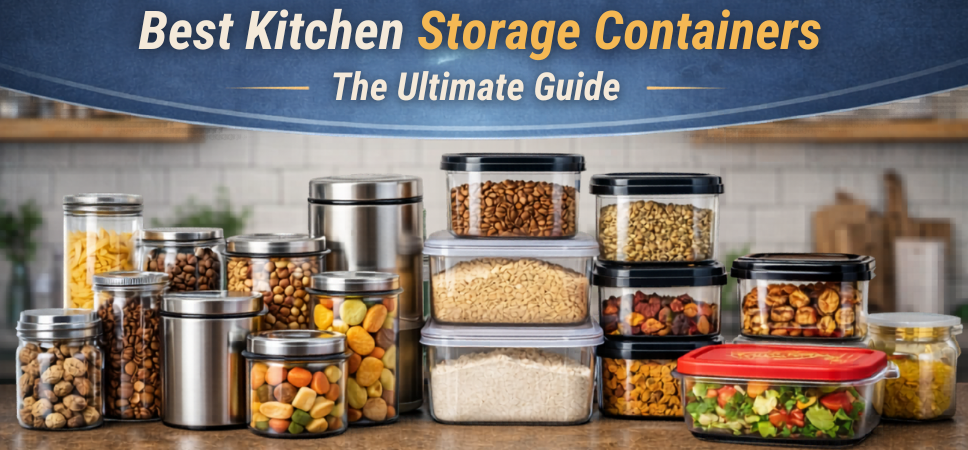
A well-organized kitchen begins with the best kitchen storage containers. Modern households demand storage solutions that maintain food freshness, optimize pantry space, and simplify meal preparation. High-quality kitchen containers provide airtight sealing, durable materials, and elegant designs that complement contemporary kitchens.
We explore the top kitchen storage containers, compare materials and features, and outline essential factors that define premium food storage systems. This comprehensive guide covers everything from airtight containers to modular pantry solutions that transform cluttered kitchens into efficient culinary spaces.
Why High-Quality Kitchen Storage Containers Matter
Kitchen containers serve a critical role in preserving food, maintaining hygiene, and maximizing storage efficiency. The best food storage containers deliver several advantages:
-
Longer food freshness
-
Protection against moisture and pests
-
Better kitchen organization
-
Improved visibility and accessibility
-
Reduced food waste
Premium containers are engineered with airtight locking systems, BPA-free materials, and durable construction that withstand daily use.
Types of Kitchen Storage Containers
Selecting the right container depends on storage needs, food type, and kitchen layout.
Airtight Food Storage Containers
Airtight containers feature silicone seals and locking lids that prevent air and moisture from entering.
Key Features
-
Vacuum-tight sealing
-
Ideal for dry foods
-
Prevents pantry pests
Best For
-
Rice
-
Flour
-
Sugar
-
Cereals
-
Pulses
Glass Kitchen Storage Containers
Glass containers offer premium food safety and durability.
Advantages
-
Non-reactive material
-
Odor-resistant
-
Microwave safe
-
Easy cleaning
Glass containers are ideal for storing cooked food, sauces, and leftovers.
Plastic Food Storage Containers
Plastic containers remain a popular choice due to affordability and versatility.
Benefits
-
Lightweight
-
Stackable
-
Budget-friendly
-
Widely available
Modern plastic containers are manufactured using BPA-free food-grade materials.
Steel Kitchen Storage Containers
Stainless steel containers are known for durability and traditional reliability.
Features
-
Rust-resistant
-
Long lifespan
-
Safe for dry ingredients
-
Eco-friendly
Steel containers are widely used in Indian kitchens for spices, grains, and lentils.
Modular Kitchen Containers
Modular containers are designed to maximize pantry organization.
Key Advantages
-
Uniform shapes
-
Stackable design
-
Transparent bodies
-
Space optimization
They create a clean, minimalist kitchen appearance.
Best Kitchen Storage Container Brands
Several manufacturers offer exceptional kitchen storage products with reliable performance and premium materials.
Tupperware – Premium Airtight Storage Solutions
Tupperware is synonymous with high-quality food storage containers.
Key Highlights
-
Advanced airtight seals
-
Durable BPA-free plastic
-
Elegant modular designs
Popular for storing dry groceries, snacks, and leftovers.
Cello – Affordable and Durable Kitchen Containers
Cello offers a wide range of budget-friendly storage containers suitable for everyday kitchens.
Features
-
Strong plastic construction
-
Airtight lids
-
Attractive designs
Cello containers are ideal for families seeking reliable storage solutions at affordable prices.
Prestige – Trusted Kitchenware Brand
Prestige is known for durable kitchen appliances and containers.
Strengths
-
Stainless steel storage sets
-
High-quality plastic containers
-
Practical kitchen designs
Prestige containers are excellent for traditional and modern kitchens alike.
Borcam – Premium Glass Food Storage
Borcam specializes in heat-resistant glass containers.
Advantages
-
Oven safe
-
Microwave safe
-
Elegant appearance
Perfect for baking, storing leftovers, and meal preparation.
Milton – Reliable Household Storage Solutions
Milton offers durable containers designed for everyday use.
Features
-
Airtight locking lids
-
BPA-free plastic
-
Affordable pricing
Milton containers are widely used in Indian households for grains, snacks, and spices.
Key Features to Look for in the Best Kitchen Storage Containers
Airtight Seal Technology
A secure seal protects food from air exposure.
Benefits
-
Maintains freshness
-
Prevents spoilage
-
Stops pantry insects
Silicone gaskets provide maximum sealing performance.
Food-Grade Materials
High-quality containers use safe materials.
Common materials include:
-
BPA-free plastic
-
Borosilicate glass
-
Stainless steel
These materials ensure safe long-term food storage.
Stackable and Modular Design
Stackable containers improve kitchen organization.
Advantages include:
-
Efficient pantry storage
-
Reduced clutter
-
Easy visibility of ingredients
Transparent Body
Transparent containers make it easy to identify stored items without opening lids.
This feature enhances quick ingredient access while cooking.
Best Kitchen Storage Containers for Different Ingredients
Grains and Rice
Large airtight containers with capacity between 3–10 liters are ideal.
Recommended Materials
-
BPA-free plastic
-
Stainless steel
Spices and Seasonings
Small containers with tight seals preserve spice aroma.
Ideal features include:
-
Compact size
-
Transparent body
-
Easy-open lids
Flour and Baking Ingredients
Flour requires containers with strong moisture protection.
Large modular containers help maintain freshness and hygiene.
Snacks and Dry Fruits
Snack containers should include easy access lids and moisture resistance.
These keep snacks crispy and flavorful.
How to Organize Your Kitchen Using Storage Containers
Step 1: Categorize Ingredients
Group items into categories such as:
-
Grains
-
Pulses
-
Spices
-
Snacks
-
Baking ingredients
Step 2: Use Uniform Containers
Uniform containers create a clean, visually appealing pantry.
Step 3: Label Everything
Labels help identify ingredients instantly.
Step 4: Stack Efficiently
Place frequently used ingredients at eye level for convenience.
Popular Kitchen Storage Container Sizes
| Container Size | Capacity | Best Use |
|---|---|---|
| Small | 200–500 ml | Spices |
| Medium | 1–2 liters | Snacks |
| Large | 3–5 liters | Pulses |
| Extra Large | 7–10 liters | Rice and flour |
Kitchen Storage Container Design Trends
Modern kitchen storage has evolved significantly.
Minimalist Pantry Organization
Uniform transparent containers create a clean, modern aesthetic.
Smart Containers
Some containers include digital freshness indicators.
Eco-Friendly Materials
Sustainable materials such as glass and stainless steel are gaining popularity.
Aesthetic Kitchen Displays
Many homeowners design open pantry shelves using stylish containers.
Maintenance Tips for Kitchen Storage Containers
Proper care extends container lifespan.
Cleaning Tips
-
Wash containers with mild detergent
-
Dry completely before storing food
-
Avoid abrasive scrubbers
Storage Tips
-
Store containers in dry areas
-
Replace damaged seals
-
Avoid extreme heat exposure
Comparison of Popular Kitchen Storage Container Materials
| Material | Durability | Safety | Best Use |
|---|---|---|---|
| Plastic | Medium | BPA-free versions safe | Dry foods |
| Glass | High | Very safe | Cooked food |
| Steel | Very high | Safe | Grains |
| Ceramic | Medium | Safe | Decorative storage |
Advantages of Using Modular Kitchen Containers
Modular storage containers provide several benefits.
Key Advantages
-
Maximum pantry space utilization
-
Easy ingredient identification
-
Better food preservation
-
Clutter-free kitchen environment
They are widely used in modern modular kitchens and smart homes.
Conclusion
Choosing the best kitchen storage containers transforms the functionality and appearance of your kitchen. Premium brands such as Tupperware, Cello, Prestige, Borcam, and Milton offer durable and safe solutions that maintain food freshness and improve pantry organization.
With the right materials, airtight sealing technology, and modular design, kitchen storage containers provide a perfect balance of hygiene, efficiency, and aesthetic appeal. Investing in high-quality containers ensures a cleaner kitchen, reduced food waste, and effortless cooking preparation.
FAQs
1. What are the best kitchen storage containers?
Airtight containers made from BPA-free plastic, glass, or stainless steel.
2. Are glass containers better than plastic?
Glass containers are more durable and non-reactive.
3. What does BPA-free mean?
It means the plastic does not contain harmful Bisphenol-A chemicals.
4. How long do food storage containers last?
High-quality containers can last 5–10 years.
5. Are airtight containers necessary?
Yes, they keep food fresh and prevent pests.
6. Can plastic containers store hot food?
Only microwave-safe plastic containers should store hot food.
7. What containers are best for rice storage?
Large airtight containers with 5–10 liter capacity.
8. Are steel containers safe for food storage?
Yes, stainless steel is safe and durable.
9. How do I remove odors from containers?
Use baking soda or vinegar solution.
10. Can glass containers go in the oven?
Only heat-resistant borosilicate glass containers.
11. What size container is best for spices?
200–300 ml containers.
12. Are stackable containers better?
Yes, they save space.
13. How do I organize pantry containers?
Use labeled, uniform containers.
14. Are modular containers worth it?
They improve kitchen organization.
15. Which material is most durable?
Stainless steel.
16. How do airtight lids work?
They use silicone seals to block air.
17. Can containers prevent insects?
Yes, airtight containers keep pests away.
18. Are plastic containers recyclable?
Many BPA-free containers are recyclable.
19. Should containers be transparent?
Transparent containers make identification easier.
20. What containers are best for meal prep?
Glass containers with airtight lids.
21. How often should containers be replaced?
When lids or seals become damaged.
22. Can containers store liquids?
Yes, if the lid is leak-proof.
23. What containers are best for dry fruits?
Small airtight containers.
24. Are ceramic containers practical?
They are decorative but less durable.
25. What container is best for flour storage?
Large airtight containers with moisture protection.