
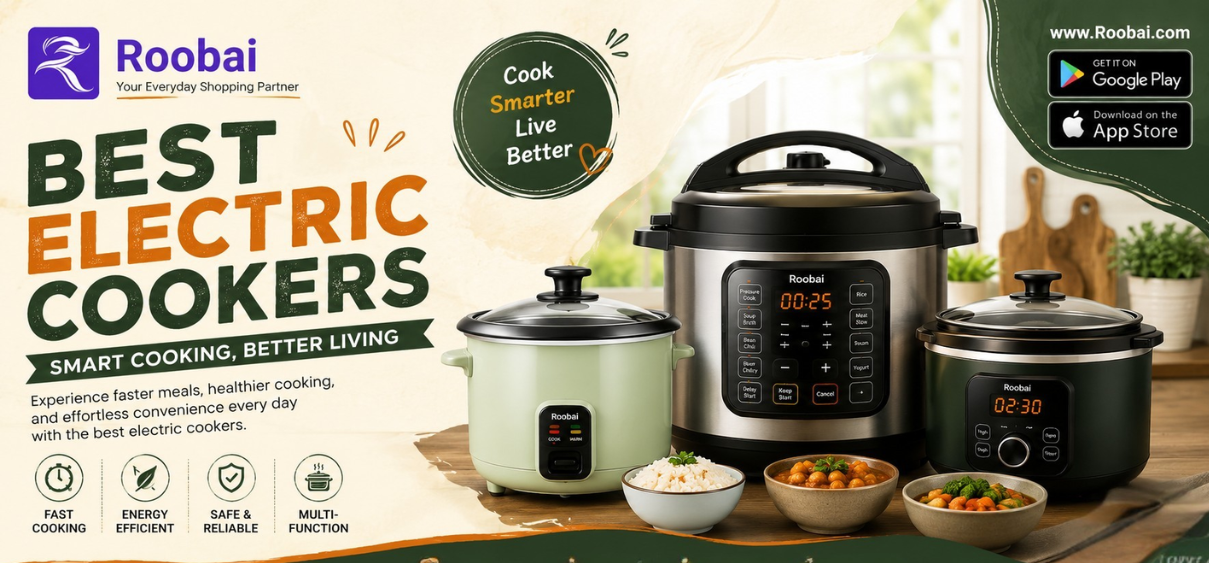
Electric cookers have transformed home cooking by delivering speed, convenience, energy efficiency, and precision cooking in one compact appliance. Whether we are preparing rice, soups, curries, steamed vegetables, slow-cooked meals, or one-pot dinners, the best electric cookers simplify every step of the cooking process.
In today’s fast-paced lifestyle, households demand appliances that combine smart technology, durability, safety, and versatility. Modern electric cookers now feature programmable settings, pressure-cooking modes, induction heating systems, keep-warm functionality, delay timers, and energy-saving operations that dramatically improve meal preparation.
This comprehensive guide explores the best electric cookers available today, including features, types, benefits, comparisons, buying considerations, maintenance tips, and frequently asked questions.
Why Electric Cookers Are Essential in Modern Kitchens
Traditional stovetop cooking often requires constant monitoring, uneven heating, and longer cooking times. Electric cookers solve these problems through automated systems that maintain precise temperatures and cooking conditions.
The best electric cookers provide:
- Consistent cooking results
- Reduced cooking time
- Lower energy consumption
- Hands-free cooking convenience
- Enhanced safety features
- Multi-functional cooking options
- Easy cleaning and maintenance
Families, working professionals, students, and elderly users benefit immensely from the convenience and reliability of electric cooking appliances.
Top Features to Look for in the Best Electric Cookers
Choosing the right electric cooker depends on understanding the features that matter most.
1. Cooking Capacity
Capacity determines how much food the cooker can prepare at once.
| Capacity | Suitable For |
|---|---|
| 1–2 Liters | Singles & couples |
| 3–5 Liters | Small families |
| 6–8 Liters | Medium to large families |
| 8+ Liters | Commercial or bulk cooking |
Larger families should prioritize high-capacity electric cookers with multi-layer cooking capabilities.
2. Multi-Function Cooking Modes
The best electric cookers support multiple cooking styles:
- Rice cooking
- Pressure cooking
- Slow cooking
- Steaming
- Sautéing
- Yogurt making
- Soup preparation
- Baking
- Stewing
- Porridge cooking
A multi-cooker eliminates the need for multiple kitchen appliances.
3. Smart Digital Controls
Advanced models include:
- LED displays
- Touch panels
- Wi-Fi connectivity
- Voice assistant support
- Mobile app integration
- Programmable timers
Digital precision ensures accurate temperature and pressure management.
4. Safety Features
Safety remains one of the most important considerations.
Look for:
- Automatic shut-off
- Overheat protection
- Pressure release valves
- Locking lids
- Cool-touch handles
- Child safety locks
These features minimize accidents and improve user confidence.
5. Non-Stick Inner Pot
Premium electric cookers include durable inner pots made from:
- Stainless steel
- Ceramic-coated materials
- Hard anodized aluminum
- Non-toxic non-stick surfaces
A high-quality inner pot improves heat distribution and simplifies cleaning.
Types of Electric Cookers
Understanding the different categories helps identify the ideal appliance for specific cooking needs.
Best Rice Cookers
Rice cookers remain among the most popular electric cookers worldwide.
Advantages of Rice Cookers
- Perfectly cooked rice every time
- Automatic keep-warm function
- Energy-efficient operation
- Easy one-touch controls
- Ideal for multiple rice varieties
Modern rice cookers can prepare:
- White rice
- Brown rice
- Sushi rice
- Jasmine rice
- Basmati rice
- Quinoa
- Oatmeal
Top Features of Premium Rice Cookers
| Feature | Benefit |
|---|---|
| Fuzzy Logic Technology | Adjusts cooking automatically |
| Induction Heating | Even heat distribution |
| Steam Vent System | Prevents overflow |
| Delay Timer | Scheduled cooking |
Best Electric Pressure Cookers
Electric pressure cookers drastically reduce cooking times while preserving nutrients and flavor.
Benefits of Pressure Cooking
- Faster cooking
- Tender meat preparation
- Nutrient retention
- Lower electricity use
- Enhanced flavor infusion
Popular dishes include:
- Stews
- Curries
- Beans
- Lentils
- Soups
- Biryani
- Pulled meats
Best Multi-Cookers
Multi-cookers combine several appliances into one.
Functions Included in Multi-Cookers
- Pressure cooker
- Rice cooker
- Slow cooker
- Steamer
- Yogurt maker
- Air fryer
- Sauté pan
These appliances maximize kitchen efficiency while saving countertop space.
Best Slow Cookers
Slow cookers are ideal for low-temperature cooking over extended periods.
Why Slow Cookers Are Popular
- Deep flavor development
- Minimal supervision required
- Ideal for meal prepping
- Energy-efficient operation
They excel at preparing:
- Bone broth
- Chili
- Casseroles
- Pot roast
- Soups
- Braised dishes
Best Induction Electric Cookers
Induction cookers use electromagnetic technology for rapid and precise heating.
Advantages of Induction Cooking
- Instant heat control
- High energy efficiency
- Safer surfaces
- Faster cooking
- Reduced heat loss
Induction cookers are increasingly preferred in modern smart kitchens.
Top Electric Cooker Brands
Several brands consistently dominate the electric cooker market due to innovation and reliability.
1. Instant Pot
Known for versatile multi-cookers with intelligent cooking presets.
Key Advantages
- Multi-functionality
- Reliable pressure cooking
- Large community support
- Excellent durability
2. Zojirushi
A premium Japanese brand specializing in advanced rice cookers.
Key Advantages
- Exceptional rice quality
- Fuzzy logic systems
- Superior build quality
- Long lifespan
3. Panasonic
Offers advanced induction heating technology and user-friendly interfaces.
Key Advantages
- Efficient heating systems
- Durable components
- Smart cooking programs
4. Philips
Popular for versatile electric cookers with modern digital controls.
Key Advantages
- Elegant designs
- Easy operation
- Affordable pricing
- Strong safety features
5. Ninja
Known for innovative multi-cookers and pressure cookers.
Key Advantages
- Air fryer integration
- Rapid cooking
- Versatile presets
- Premium aesthetics
How to Choose the Best Electric Cooker
Selecting the right cooker requires evaluating several practical factors.
Kitchen Size and Storage
Compact kitchens benefit from multi-functional cookers that replace multiple appliances.
Choose stackable or vertical designs when storage is limited.
Cooking Frequency
Frequent home cooks should prioritize:
- Durable stainless steel interiors
- High wattage
- Smart presets
- Easy cleaning
Occasional users may prefer simpler budget-friendly models.
Energy Efficiency
Modern electric cookers consume significantly less energy than conventional ovens or stovetops.
Energy-saving features include:
- Auto shut-off
- Thermal insulation
- Pressure cooking modes
- Smart heat regulation
Ease of Cleaning
Dishwasher-safe components improve convenience.
Removable parts simplify maintenance:
- Inner pot
- Steam valve
- Lid
- Condensation collector
Budget Considerations
| Price Range | Features |
|---|---|
| Budget | Basic cooking functions |
| Mid-Range | Digital controls & presets |
| Premium | Smart technology & advanced heating |
Investing in quality often reduces long-term replacement costs.
Benefits of Using Electric Cookers
Electric cookers offer advantages beyond convenience.
Healthier Cooking
Steam and pressure cooking preserve nutrients better than traditional boiling methods.
Benefits include:
- Reduced oil usage
- Better vitamin retention
- Less nutrient loss
- Healthier meal preparation
Time-Saving Convenience
Busy households benefit from automated cooking cycles.
Users can:
- Set timers
- Leave meals unattended
- Prepare meals faster
- Reduce active cooking time
Improved Cooking Consistency
Temperature precision prevents:
- Overcooking
- Burning
- Uneven heating
This consistency is especially valuable for rice, grains, and delicate recipes.
Enhanced Kitchen Safety
Electric cookers reduce risks associated with open flames and gas leaks.
Built-in safety mechanisms improve overall household safety.
Electric Cooker vs Traditional Cooking
| Feature | Electric Cooker | Traditional Cooking |
|---|---|---|
| Cooking Speed | Faster | Slower |
| Energy Efficiency | Higher | Lower |
| Safety | Safer | More hazards |
| Supervision | Minimal | Constant monitoring |
| Precision | High | Variable |
| Cleaning | Easier | More difficult |
Electric cookers outperform traditional methods in convenience and efficiency.
Best Electric Cookers for Different Needs
Best Electric Cooker for Families
Large-capacity multi-cookers are ideal.
Recommended features:
- 6–8 liter capacity
- Multiple presets
- Keep-warm mode
- Delayed start timer
Best Electric Cooker for Students
Students benefit from compact, affordable models with:
- Simple controls
- Fast cooking
- Portable designs
- Low energy consumption
Best Electric Cooker for Healthy Cooking
Health-focused users should prioritize:
- Steam cooking modes
- Stainless steel interiors
- Low-oil air frying
- Slow-cooking functionality
Best Electric Cooker for Smart Homes
Smart cookers integrate with:
- Alexa
- Google Assistant
- Mobile applications
- Wi-Fi connectivity
These systems allow remote cooking control and notifications.
How to Maintain an Electric Cooker
Proper maintenance ensures longevity and performance.
Daily Cleaning Tips
After every use:
- Unplug the appliance
- Remove detachable components
- Wash with mild soap
- Dry thoroughly
Never immerse the main electrical body in water.
Deep Cleaning Procedures
Monthly maintenance should include:
- Cleaning steam vents
- Inspecting seals and gaskets
- Removing mineral buildup
- Checking electrical cords
Storage Recommendations
Store electric cookers in dry environments.
Avoid:
- Humid cabinets
- Overcrowded storage
- Heavy stacking
Proper storage extends appliance lifespan.
Common Electric Cooker Problems and Solutions
| Problem | Possible Cause | Solution |
|---|---|---|
| Cooker not heating | Faulty power connection | Check outlet and cord |
| Food undercooked | Insufficient water | Add proper liquid |
| Steam leakage | Worn gasket | Replace seal |
| Burn warning | Food stuck at bottom | Clean thoroughly |
| Lid won’t close | Misaligned components | Reposition lid |
Routine maintenance prevents most operational issues.
Best Recipes to Make in Electric Cookers
Electric cookers support an enormous variety of recipes.
Rice and Grain Dishes
- Fried rice
- Pilaf
- Risotto
- Quinoa bowls
- Coconut rice
Soups and Stews
- Chicken soup
- Beef stew
- Lentil soup
- Vegetable broth
- Chili
Healthy Steamed Meals
- Steamed fish
- Vegetables
- Dumplings
- Idli
- Momos
One-Pot Meals
- Pasta
- Curry rice
- Biryani
- Jambalaya
- Casseroles
Latest Trends in Electric Cookers
The electric cooker market continues evolving rapidly.
AI-Powered Cooking Systems
Artificial intelligence now adjusts:
- Cooking temperature
- Pressure levels
- Cooking duration
- Moisture detection
Voice-Controlled Cooking
Smart integration allows voice commands for:
- Starting cooking cycles
- Adjusting timers
- Monitoring progress
Eco-Friendly Manufacturing
Manufacturers increasingly use:
- Recyclable materials
- BPA-free plastics
- Energy-saving technology
Are Electric Cookers Worth It?
Electric cookers provide outstanding value for modern households.
Key reasons include:
- Reduced cooking effort
- Faster meal preparation
- Better energy efficiency
- Versatile cooking options
- Long-term convenience
For busy families and health-conscious individuals, electric cookers have become indispensable kitchen appliances.
Electric Cooker Buying Checklist
Before purchasing, verify:
- Capacity requirements
- Cooking functions
- Warranty coverage
- Safety certifications
- Power consumption
- Cleaning convenience
- Brand reputation
A careful evaluation prevents costly purchasing mistakes.
Expert Tips for Using Electric Cookers Efficiently
Use Correct Liquid Ratios
Incorrect water levels can impact cooking quality.
Always follow manufacturer recommendations.
Avoid Overfilling
Overfilling may:
- Block steam vents
- Cause spills
- Reduce cooking efficiency
Preheat When Necessary
Some recipes benefit from sauté or preheat modes.
This enhances flavor development.
Use Proper Utensils
Avoid metal utensils on non-stick surfaces.
Use:
- Silicone
- Wooden
- Nylon utensils
The Future of Electric Cookers
The future of electric cooking technology includes:
- AI automation
- IoT connectivity
- Smart recipe synchronization
- Self-cleaning systems
- Advanced induction technology
Electric cookers are becoming central components of connected smart kitchens worldwide.
Conclusion
The best electric cookers combine performance, versatility, convenience, safety, and energy efficiency into one highly practical appliance. Whether we need a rice cooker, pressure cooker, induction cooker, or multi-functional smart cooker, modern options provide exceptional flexibility for every cooking style.
Choosing the ideal electric cooker depends on:
- Household size
- Cooking habits
- Budget
- Kitchen space
- Desired features
With proper maintenance and thoughtful selection, a high-quality electric cooker can deliver years of reliable service while dramatically improving everyday cooking experiences.
FAQs
1. What is an electric cooker?
An electric cooker is a kitchen appliance that uses electricity to cook food automatically.
2. Are electric cookers energy efficient?
Yes, most modern electric cookers consume less energy than conventional stoves and ovens.
3. Can electric cookers replace multiple appliances?
Multi-cookers can replace rice cookers, pressure cookers, steamers, and slow cookers.
4. Which electric cooker is best for rice?
Induction and fuzzy logic rice cookers provide the best rice quality.
5. Are electric pressure cookers safe?
Yes, modern models include advanced safety systems and pressure controls.
6. How long do electric cookers last?
High-quality electric cookers typically last 5–10 years.
7. Can we cook meat in electric cookers?
Yes, electric cookers are excellent for cooking meat dishes.
8. What size electric cooker should families buy?
Families usually benefit from 5–8 liter models.
9. Are non-stick inner pots safe?
Most premium coatings are food-safe and BPA-free.
10. Can electric cookers steam vegetables?
Yes, many models include dedicated steaming functions.
11. Do electric cookers consume a lot of electricity?
No, they are generally energy efficient.
12. What foods can be cooked in electric cookers?
Rice, soups, curries, pasta, grains, vegetables, and desserts.
13. Can beginners use electric cookers easily?
Yes, most models are highly user-friendly.
14. Are smart electric cookers worth buying?
Smart features improve convenience and automation.
15. How often should electric cookers be cleaned?
After every use for best hygiene and performance.
16. Can electric cookers bake cakes?
Some multi-cookers include baking functions.
17. Is stainless steel better than non-stick interiors?
Stainless steel is more durable, while non-stick is easier to clean.
18. What is fuzzy logic technology?
It automatically adjusts cooking conditions for better results.
19. Can electric cookers keep food warm?
Yes, most models include keep-warm functionality.
20. Are induction cookers faster?
Yes, induction technology heats food very quickly.
21. Can electric cookers overcook food?
Automatic shut-off features minimize overcooking.
22. What is the best material for inner pots?
Stainless steel and ceramic-coated pots are highly recommended.
23. Are electric cookers portable?
Many compact models are lightweight and portable.
24. Do electric cookers require maintenance?
Routine cleaning and gasket inspections are usually sufficient.
25. Are electric cookers suitable for healthy cooking?
Yes, they support steaming, low-oil cooking, and nutrient retention.