
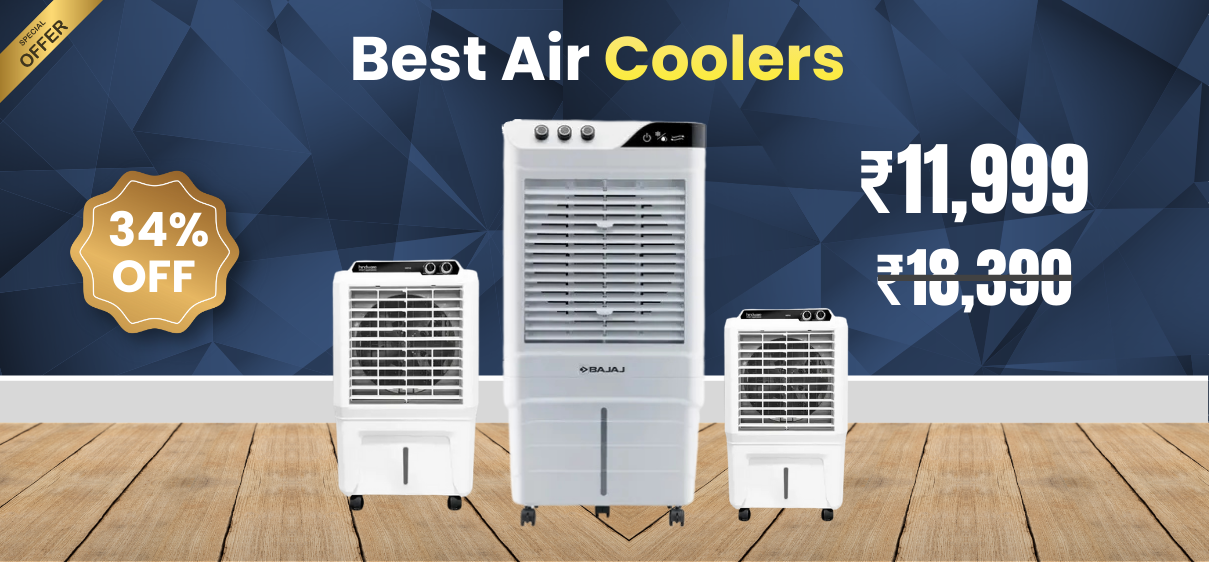
Best Air Coolers for Hot Weather
Hot weather demands reliable, energy-efficient, and effective cooling solutions. When temperatures rise and humidity fluctuates, air coolers emerge as a practical alternative to traditional air conditioners, offering powerful cooling, lower electricity consumption, and eco-friendly performance. We present a comprehensive, expertly structured guide to the best air coolers for hot weather, designed to deliver exceptional comfort across homes, offices, and commercial environments.
Why Air Coolers Are the Smart Choice for Hot Climates
Air coolers operate on evaporative cooling technology, drawing warm air through water-saturated pads to deliver cool, fresh airflow. This process makes them particularly effective in dry and semi-dry climates, where heat is intense and ventilation is ample.
Key advantages include:
-
Low power consumption compared to air conditioners
-
Environmentally friendly cooling with no refrigerants
-
Improved air quality through constant fresh air circulation
-
Cost-effective installation and maintenance
-
Portability and flexible placement
Types of Air Coolers for Extreme Heat Conditions
Understanding air cooler categories is essential for selecting the right model.
Desert Air Coolers
Designed for very high temperatures, desert coolers feature:
-
Large water tanks
-
Thick honeycomb cooling pads
-
High airflow capacity
Ideal for open spaces, large rooms, and dry regions.
Personal Air Coolers
Compact and efficient, suitable for:
-
Bedrooms
-
Small offices
-
Personal workspaces
They consume minimal power and are easy to move.
Tower Air Coolers
Sleek vertical design with:
-
Space-saving footprint
-
Multi-directional airflow
-
Remote-controlled operation
Perfect for modern interiors.
Window Air Coolers
Mounted in windows to:
-
Maximize ventilation
-
Cool medium-sized rooms
-
Reduce indoor heat buildup
Top Features That Define the Best Air Coolers
When evaluating air coolers for hot weather, we focus on performance-critical features:
Air Delivery (CFM)
High cubic feet per minute (CFM) ensures rapid cooling. For large rooms, we recommend 5000 CFM or higher.
Cooling Pad Quality
Honeycomb pads outperform traditional wood wool by offering:
-
Better water retention
-
Enhanced cooling efficiency
-
Longer lifespan
Water Tank Capacity
Large tanks (40–70 liters) support extended cooling hours without frequent refilling.
Air Throw Distance
Effective coolers deliver air up to 30–50 feet, ensuring uniform cooling.
Humidity Control
Advanced models maintain comfort by preventing excessive moisture buildup.
Best Air Coolers for Hot Weather: Detailed Performance Analysis
High-Capacity Desert Air Coolers for Extreme Heat
These models dominate large spaces and outdoor-adjacent areas, delivering robust airflow even at peak temperatures.
Advantages:
-
Exceptional cooling during heatwaves
-
Strong air circulation
-
Durable construction
Best suited for: Living rooms, halls, workshops, and commercial spaces.
Energy-Efficient Personal Air Coolers for Daily Comfort
Designed for targeted cooling, these coolers offer:
-
Silent operation
-
Low electricity usage
-
Compact design
Best suited for: Bedrooms, study rooms, and individual workstations.
Modern Tower Air Coolers with Smart Controls
Combining style and performance, tower coolers deliver:
-
Touch panel and remote operation
-
Oscillation for wide coverage
-
Advanced air filtration
Best suited for: Apartments, offices, and minimalist interiors.
Comparative Table: Best Air Coolers for Hot Weather
| Type | Tank Capacity | Ideal Room Size | Power Consumption | Cooling Efficiency |
|---|---|---|---|---|
| Desert Cooler | 60–70 L | Large (500+ sq ft) | Moderate | Very High |
| Personal Cooler | 20–30 L | Small (100–150 sq ft) | Low | Medium |
| Tower Cooler | 30–40 L | Medium (250–350 sq ft) | Low–Moderate | High |
| Window Cooler | 40–50 L | Medium (300 sq ft) | Moderate | High |
Air Coolers vs Air Conditioners: Practical Comparison
Air coolers provide a natural cooling experience, while air conditioners rely on closed-loop refrigeration.
Why air coolers excel in hot weather:
-
Up to 80% less electricity consumption
-
No sealed rooms required
-
Continuous fresh air supply
-
Lower upfront and operating costs
How to Choose the Best Air Cooler for Hot Weather
Room Size and Ventilation
Larger rooms require higher airflow and bigger tanks. Always ensure cross-ventilation.
Climate Conditions
Air coolers perform best in dry heat. For humid climates, select models with humidity control and powerful exhaust.
Build Quality
Choose coolers with:
-
Rust-resistant bodies
-
Strong caster wheels
-
Durable cooling pads
Maintenance Ease
Look for:
-
Easy drain systems
-
Removable pads
-
Dust filters
Maintenance Tips for Peak Cooling Performance
-
Clean cooling pads every 2–3 weeks
-
Use clean water to prevent odor
-
Drain and dry the tank when not in use
-
Store in a shaded, dry area
Proper maintenance extends cooler lifespan and ensures consistent cooling output.
Energy Efficiency and Cost Savings
Air coolers typically consume 100–250 watts, compared to 1500+ watts for air conditioners. Over a summer season, this results in substantial electricity savings, making them ideal for long-term use.
Environmental Benefits of Air Coolers
-
Zero harmful refrigerants
-
Lower carbon footprint
-
Reduced energy demand
-
Sustainable cooling solution
Air coolers align with eco-conscious living standards without compromising comfort.
Noise Levels and Comfort
Modern air coolers are engineered for quiet operation, especially in sleep and low-speed modes. This makes them suitable for bedrooms and study areas.
Portability and Placement Flexibility
Most air coolers feature:
-
Smooth-rolling caster wheels
-
Lightweight construction
-
Compact footprints
This allows effortless movement between rooms as cooling needs change.
Common Mistakes to Avoid When Using Air Coolers
-
Using in closed rooms
-
Overfilling the water tank
-
Ignoring regular cleaning
-
Blocking airflow outlets
Correct usage maximizes cooling efficiency and comfort.
Long-Term Value and Durability
High-quality air coolers last 5–10 years with proper care, offering consistent performance without escalating costs.
Conclusion: The Smart Cooling Solution for Hot Weather
The best air coolers for hot weather combine powerful airflow, energy efficiency, and sustainable design. By choosing the right type and maintaining it properly, we achieve reliable, cost-effective cooling even during extreme summer conditions.
FAQs
-
Are air coolers effective in extreme heat?
-
Yes, especially in dry climates with proper ventilation.
-
-
Do air coolers consume a lot of electricity?
-
No, they use significantly less power than ACs.
-
-
Can air coolers replace air conditioners?
-
In dry regions, they provide comparable comfort at lower cost.
-
-
How often should cooling pads be replaced?
-
Every 1–2 years, depending on usage.
-
-
Is water quality important?
-
Yes, clean water improves cooling and prevents odor.
-
-
Do air coolers increase humidity?
-
Slightly, which is beneficial in dry climates.
-
-
Are tower air coolers powerful enough?
-
Yes, for medium-sized rooms.
-
-
Can air coolers be used outdoors?
-
Desert coolers perform well in semi-open spaces.
-
-
What tank size is best for long hours?
-
50 liters or more.
-
-
Do air coolers require installation?
-
No professional installation is needed.
-
-
Are air coolers noisy?
-
Modern models operate quietly.
-
-
How long can an air cooler run continuously?
-
8–15 hours, depending on tank size.
-
-
Do air coolers purify air?
-
They filter dust and circulate fresh air.
-
-
Are air coolers safe for children?
-
Yes, with proper supervision.
-
-
Can ice be added for extra cooling?
-
Yes, in ice chamber-equipped models.
-
-
Do air coolers work during monsoon?
-
Performance reduces in high humidity.
-
-
What airflow rating is ideal?
-
Above 4000 CFM for large rooms.
-
-
Are metal bodies better than plastic?
-
Metal offers durability; plastic resists rust.
-
-
Can air coolers run on inverter power?
-
Yes, most models are inverter-friendly.
-
-
How do I reduce odor from the cooler?
-
Clean pads and change water regularly.
-
-
Do air coolers need exhaust outlets?
-
Yes, for optimal airflow.
-
-
Are air coolers portable?
-
Most models include wheels.
-
-
Do air coolers require servicing?
-
Minimal servicing is needed.
-
-
Which cooler is best for large halls?
-
High-capacity desert air coolers.
-
-
Are air coolers environmentally safe?
-
Yes, they are eco-friendly and sustainable.
-
For more information and to start using Roobai.com, visit our official website and download the app to stay updated on the best deals and offers. With Roobai.com, you can ensure that every shopping experience is not just an opportunity to shop but an opportunity to save big